Featured
Mysteriously, the most famous media outlets, the most authoritative governmental bodies and the most prestigious NGOs will not tell you how plants and trees impact the climate.
The Role of Vegetation in Climate Regulation
I’ve been a climate reporter since 2018, and I can tell you that the great untold story in climate coverage is the dramatic impact of vegetation (plants and trees) on our climate.
Water is life. We know that, but our forest policy & practices do not reflect this basic reality.
Water puts out fires. We know that, too, but public policy goes in the opposite direction.
A healthy forest holds more water than a degraded forest. It holds water in the soil, the plants and the organic matter. But we degrade our forests with too much logging and “thinning” causing them to dry out and become more flammable.
Increasing our plant cover (e.g., in forests, crops fields, pastures and deserts) is a deceptively simple way to lower local, regional and global temperatures.
Here’s something I believe. I believe that if we increased plant cover worldwide, then that could solve global warming.
I can’t prove it. But let’s try this thought experiment.
Climate change is a minor factor in wildlife decline. But the loss of wild plants and ecosystems causes both wildlife decline and climate chaos.
In this post:
What is the REAL problem with fossil fuels, contrary to what we are told?
What do we see in wildlife trends? How important is wildlife decline? And how does it compare in importance to climate change?
What are the connections between wildlife decline and climate change?
Choosing plants that do most of the work for you; why crowding is good; how to capture rainfall.
A friend and student asked me what to do with a particular property that had a few acres, including some bare dirt that needed erosion control.
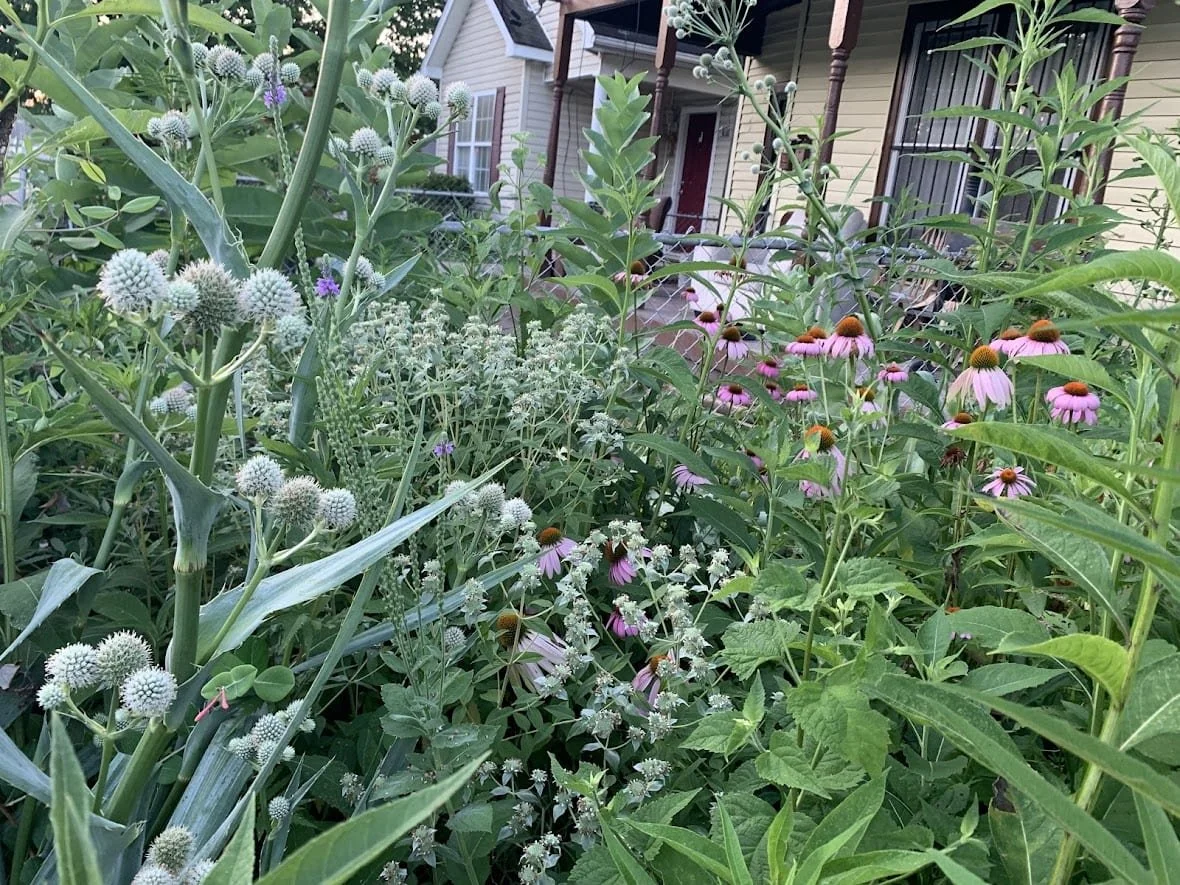
In the way of reply, I felt compelled to share my gardening methods generally, and that is what I’ve spelled out here, along with current pictures of my native home landscape in Louisville, KY.
The causes of the problem and the solutions are rather simple, but the scientists who report on the phenomenon seem oblivious.
A March, 2025 study by Seo et. al. (Abrupt sea level rise and Earth’s gradual pole shift reveal permanent hydrological regime changes in the 21st century | Science) revealed a loss of 2,623 gigatons (a gigaton is a billion tons) of water from the soil over a 17-year period, from 2000 to 2016. This averages out to 154 gigatons per year of soil moisture (water) being lost from the soils of the world.
Humans can help ecosystems thrive--or not. But if we do, then ecosystems will provide cooling services, habitat and more.
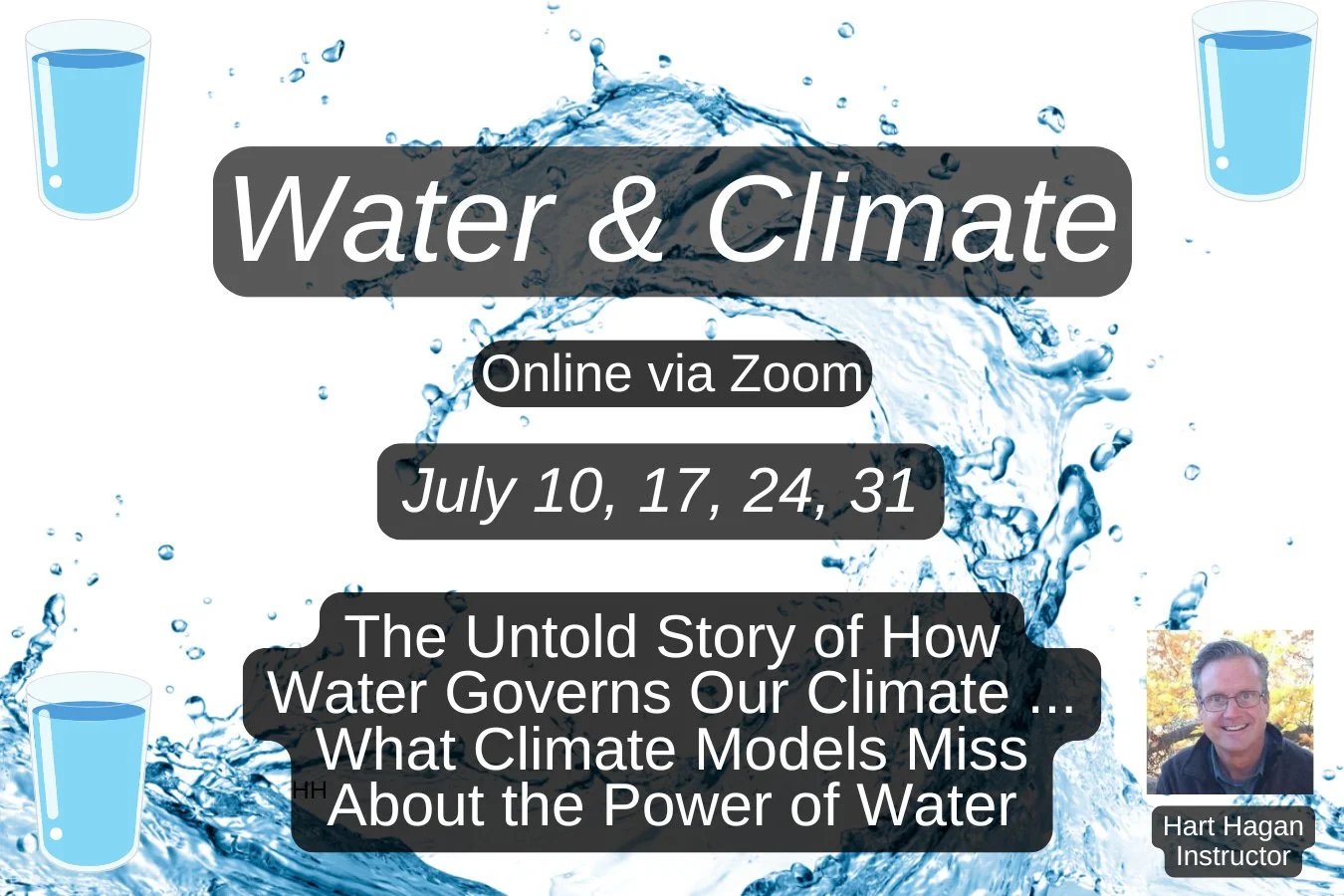
The Water & Climate Course, coming up in July, will tell you stories that you may have never heard before. Or if you have heard them, it’s because you have been hanging out with the small minority of us who know that “nature cools.”
We will study the power of water as it flows through ecosystems.
Walk under a shade tree and it feels cool, because of the shade, but also because of evaporating water. This is the key to understanding climate change.
Dear Friends,
Here is a description I wrote for the upcoming Water & Climate course. Registration is not open just yet, but I hope you will look it over and consider taking the course in July.
Here is the description:
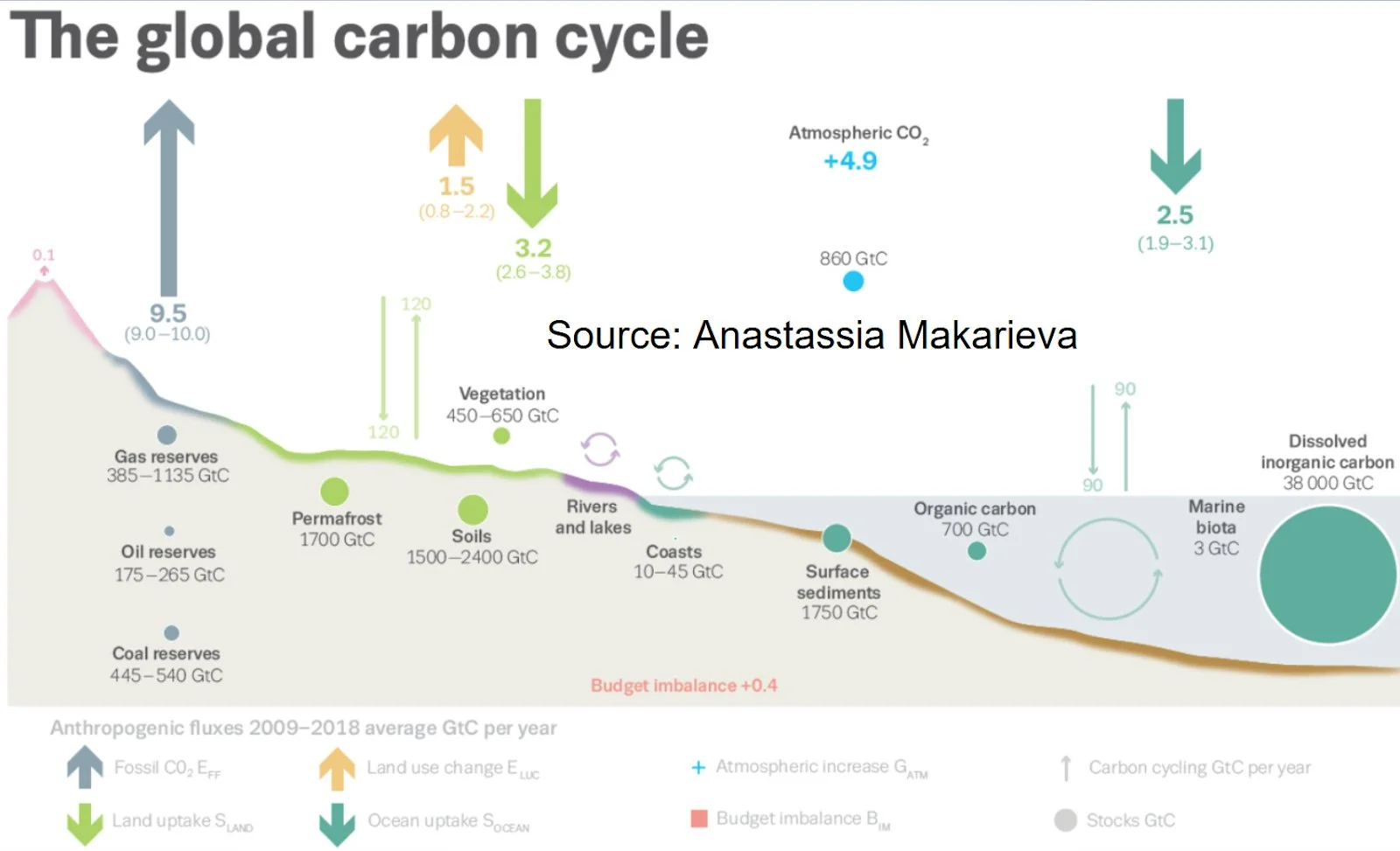
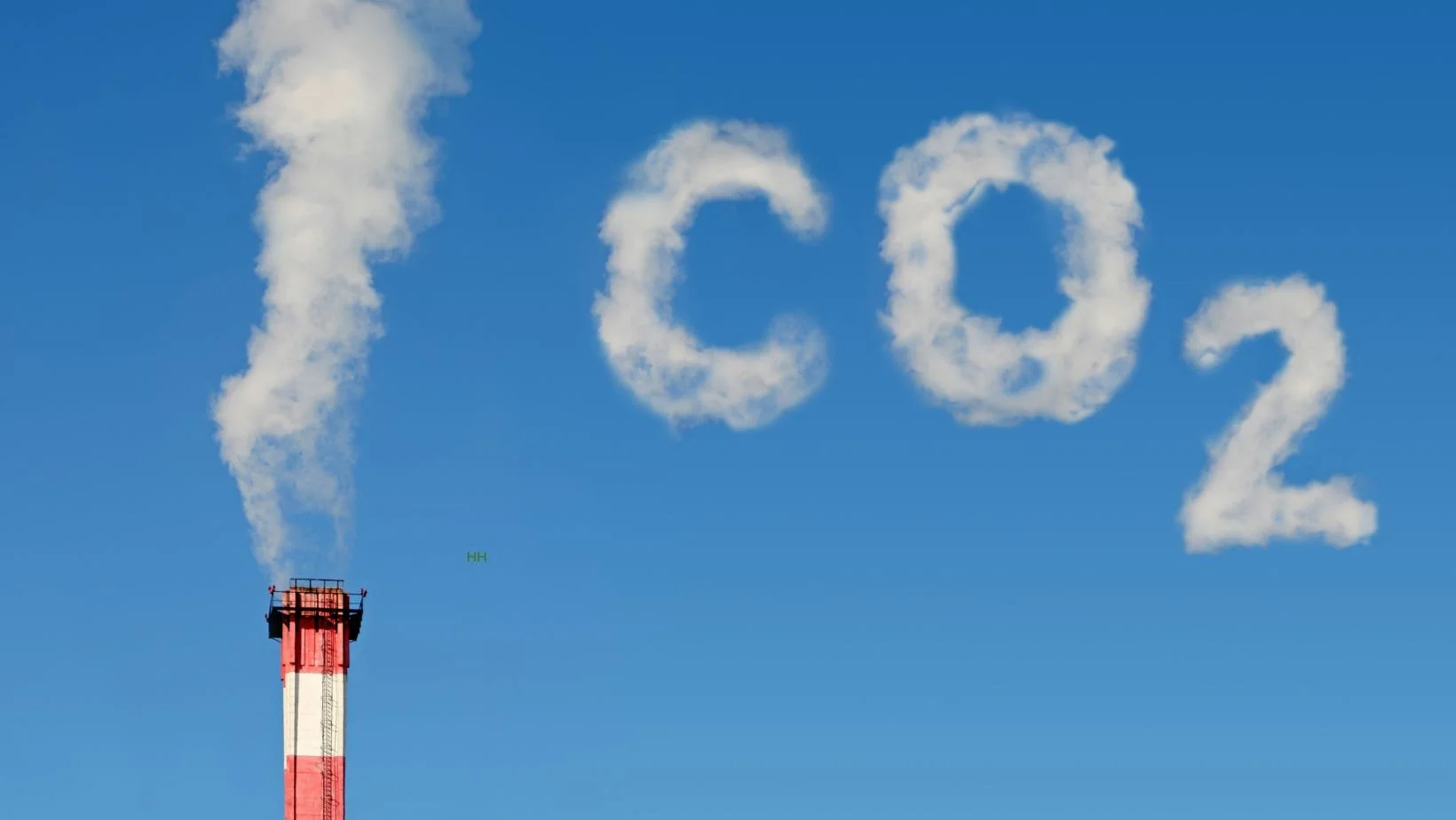
Environmentalists insist that CO2 is THE existential threat and that we must focus solely on CO, to the exclusion (almost) of all other environmental issues. Here's why that doesn't make sense.
One of my objections to an obsessive focus on CO2 is that the people pushing this focus, e.g., the UN and the NYT, seem to assume that solar, wind and EVs will substantially lower carbon emissions. I see almost no reason to believe such claims.
Here’s why.